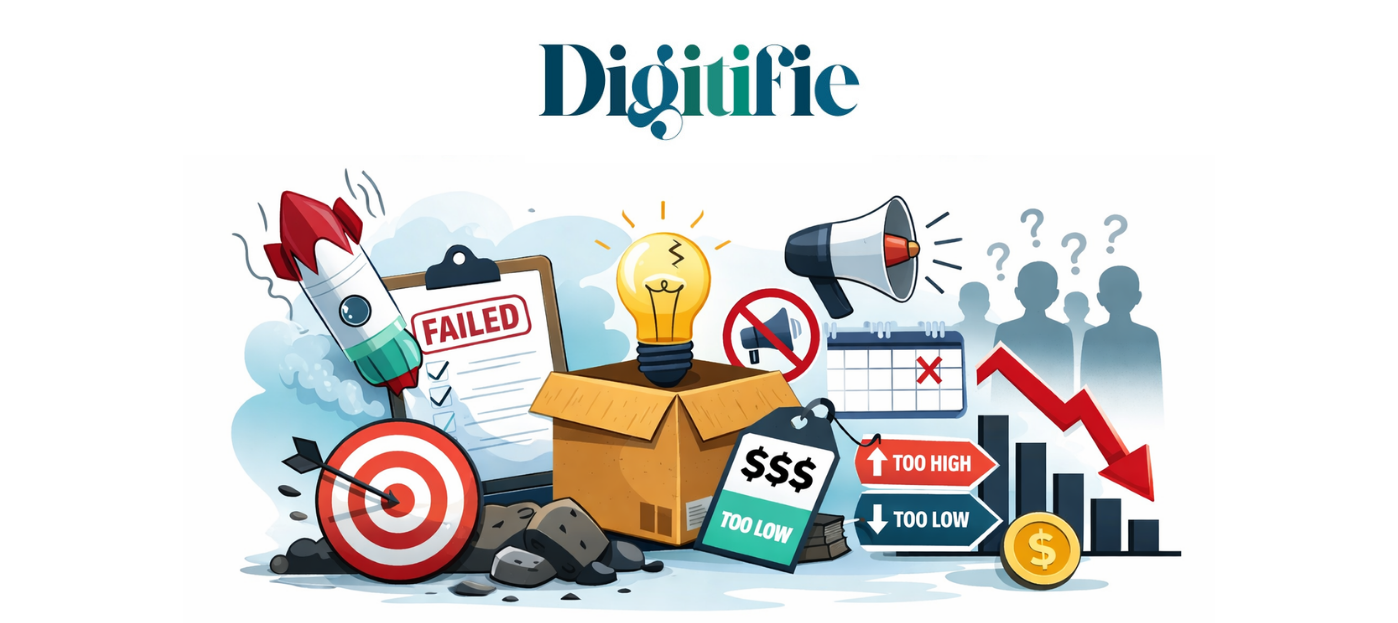
Why good products fail in the market is one of the most common questions asked by founders, marketers, and business owners. Many teams spend months building products with strong features, clean design, and solid performance, yet still struggle to attract customers or grow consistently.
This happens because product success depends on much more than quality alone. Understanding why good products fail in the market helps businesses avoid repeating mistakes and build strategies that align with real customer behavior and expectations.
Why Good Products Fail in the Market Despite High Quality
A widespread belief is that a superior product will automatically succeed. In reality, customers buy what they understand, trust, and perceive as valuable. When visibility, clarity, or credibility is missing, even excellent products struggle to survive.
1. Poor Market Research and Wrong Assumptions
Many products are built based on assumptions instead of real customer insights. Without proper research, businesses risk solving problems that users are not actively trying to fix. This mismatch between product and demand is one of the main reasons good products fail in the market.
- Skipping customer interviews
- Ignoring genuine pain points
- Lack of competitor analysis
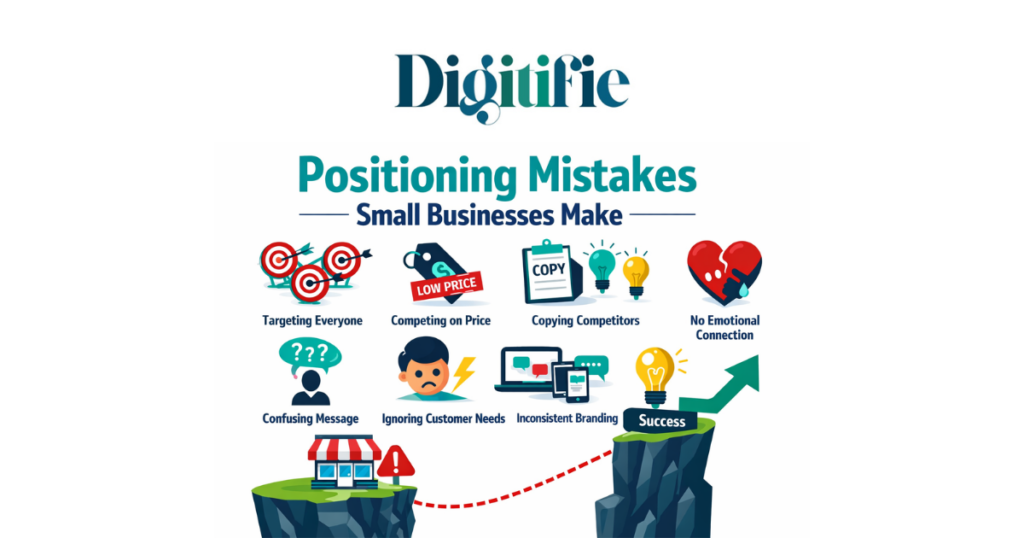
2. Unclear Positioning in a Competitive Market
Positioning determines how customers perceive a product. If users cannot quickly understand who the product is for or how it is different, they move on to alternatives without hesitation.
3. Weak Marketing and Limited Visibility
One major reason why good products fail in the market is poor visibility. Even useful solutions struggle when people are unaware of their existence. Consistent messaging and organic reach are essential for long-term success.
A clear product marketing strategy ensures the right message reaches the right audience at the right time.
4. Pricing That Does Not Match Perceived Value
Pricing strongly influences buying decisions. If pricing feels too high, customers hesitate. If it feels too low, trust and perceived quality can decline. Aligning price with perceived value is critical.
5. Poor Timing and Market Readiness
Sometimes the product enters the market too early. Other times, it launches too late when competitors already dominate attention. Timing often determines whether adoption succeeds or stalls.
6. Ignoring Feedback and Product Evolution
Products that fail to evolve eventually lose relevance. Ignoring feedback prevents improvement and weakens long-term trust. Continuous iteration plays a major role in preventing failure.
7. Lack of Trust and Brand Credibility
Customers do not buy products alone—they buy confidence. Without reviews, testimonials, or consistent branding, even high-quality offerings struggle to convert interest into sales.
The Strategic Reason Behind Product Failure
In most cases, failure is not about the product itself, but about execution. Strategy, positioning, marketing, pricing, and trust must work together. This is the core reason why good products fail in the market repeatedly.
A well-planned digital marketing strategy helps businesses align visibility, messaging, and trust to improve outcomes.
Many founders assume adding more features will fix poor performance. In reality, success depends on clarity, communication, and customer confidence. When people clearly understand the value, adoption improves naturally.
Final Thoughts
Good products do not fail because they lack quality. They fail when strategy, visibility, and trust are missing. Businesses that understand why good products fail in the market are better equipped to build sustainable and scalable brands.