How to Choose the Right Marketing Platform for Your Business
Choosing the right marketing platform for your business is one of the most important decisions you will make. The wrong platform wastes money, time, and energy. The right one brings consistent leads, customers, and growth.
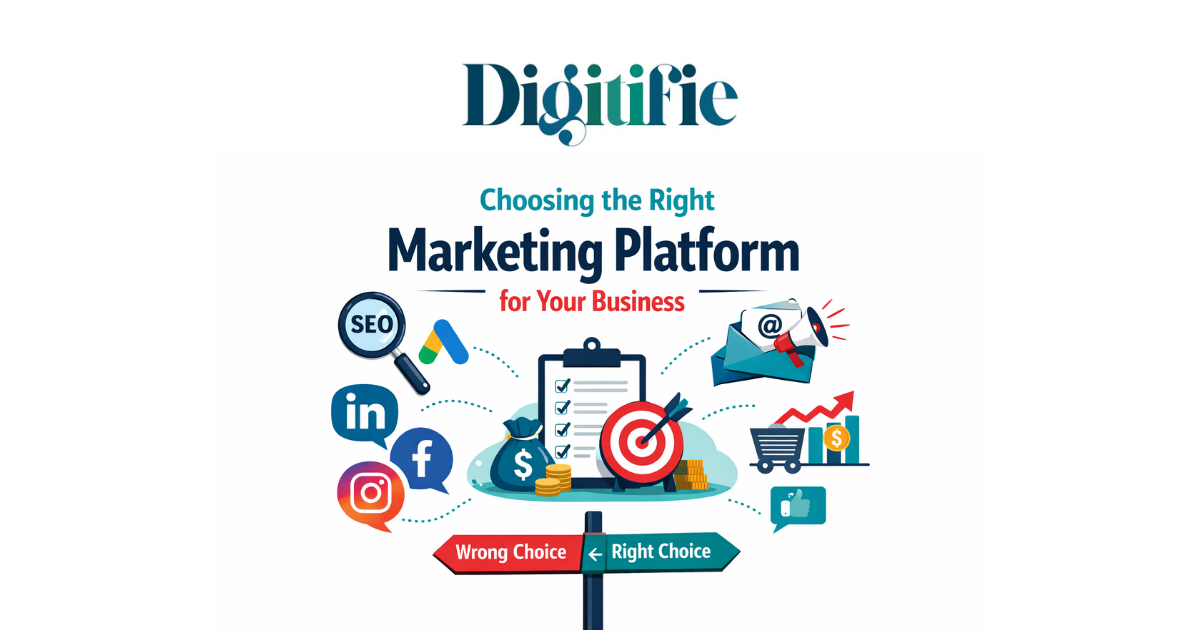
With dozens of platforms like Google Ads, Instagram, LinkedIn, SEO, email marketing, and marketplaces, business owners often feel confused. This guide will help you choose the right marketing platform clearly, logically, and confidently.
Table of Contents
- Define Your Business Goals
- Understand Your Target Audience
- Decide Your Marketing Budget
- Types of Marketing Platforms
- Compare Platforms Based on ROI
- Test and Optimize Your Platform
- Common Mistakes to Avoid
1. Define Your Business Goals First
Before choosing any marketing platform, be clear about what you want to achieve. Do you want brand awareness, leads, website traffic, or direct sales?
Different goals require different platforms. For example, SEO is great for long-term traffic, while paid ads deliver faster results. Choosing the right marketing platform for your business starts with goal clarity.
2. Understand Your Target Audience
Your audience decides your platform, not trends. Ask yourself:
- Where does my audience spend time online?
- Are they searching on Google or scrolling on Instagram?
- Are they B2B or B2C customers?
For example, LinkedIn works well for B2B services, while Instagram and Facebook are better for lifestyle and local brands.
3. Decide Your Marketing Budget
Budget plays a huge role when choosing the right marketing platform for your business. Paid platforms like Google Ads require consistent spending, while SEO and content marketing need time and effort.
If you are just starting, combining SEO with organic social media is often the smartest approach.
4. Types of Marketing Platforms Explained
Search Engines (SEO & Google Ads): Best for users with intent to buy.
Social Media Platforms: Best for brand building and engagement.
Email Marketing: Best for retention and repeat sales.
Marketplaces: Useful if customers already search there.
Each platform serves a different purpose. The key is alignment, not popularity.
5. Compare Platforms Based on ROI
Always compare platforms based on return on investment, not likes or views. Track metrics such as:
- Cost per lead
- Conversion rate
- Customer acquisition cost
You can use tools like Google Analytics to track platform performance accurately.
6. Test, Analyze, and Optimize
Never depend on only one platform. Test two or three platforms, analyze results, and scale what works. This approach helps you confidently select the right marketing platform for your business.
You can also explore our guide on our other marketing related blogs to build stronger fundamentals.
7. Common Mistakes to Avoid
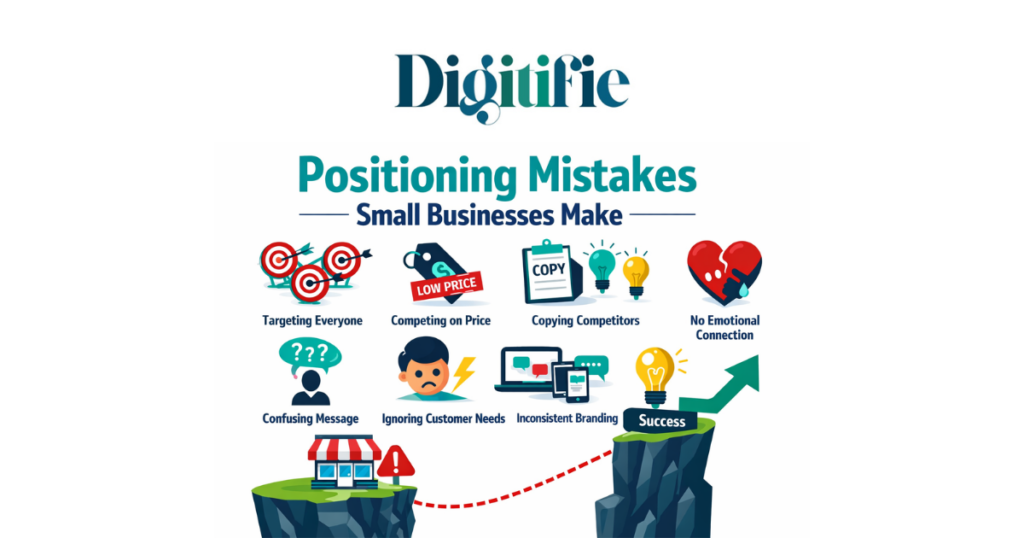
- Choosing platforms based on competitors
- Ignoring data and analytics
- Spreading budget too thin
- Expecting instant results from organic platforms
How to Match the Right Marketing Platform With Your Business Stage
Choosing the right marketing platform for your business also depends on the stage your business is currently in. A startup, a growing business, and an established brand all require different platform strategies.
If you are at an early stage, focus on platforms that build visibility and trust, such as SEO, content marketing, and organic social media. These platforms may take time but create long-term value.
For growing businesses, combining organic platforms with paid advertising works best. Google Ads and social media ads help scale faster once your offer and messaging are validated.
Established brands should focus on optimization, retention, and automation. Email marketing, remarketing ads, and analytics-driven platforms help maximize lifetime customer value.
When your platform choice aligns with your business stage, marketing becomes more predictable and profitable.
Final Thoughts
Choosing the right marketing platform for your business is not about being everywhere. It is about being where your customers already are and communicating with clarity.
When your platform, message, and audience align, marketing becomes predictable, profitable, and scalable.