Choosing the right audience is the foundation of sustainable business growth. If you try to sell to everyone, you end up selling to no one. Learning how to choose your ideal customer helps you create focused marketing, attract quality leads, and improve conversion rates.
This step-by-step guide explains how to identify, understand, and refine your ideal customer so your marketing efforts deliver consistent and measurable results.
Table of Contents
- What Is an Ideal Customer?
- Why Choosing Your Ideal Customer Matters
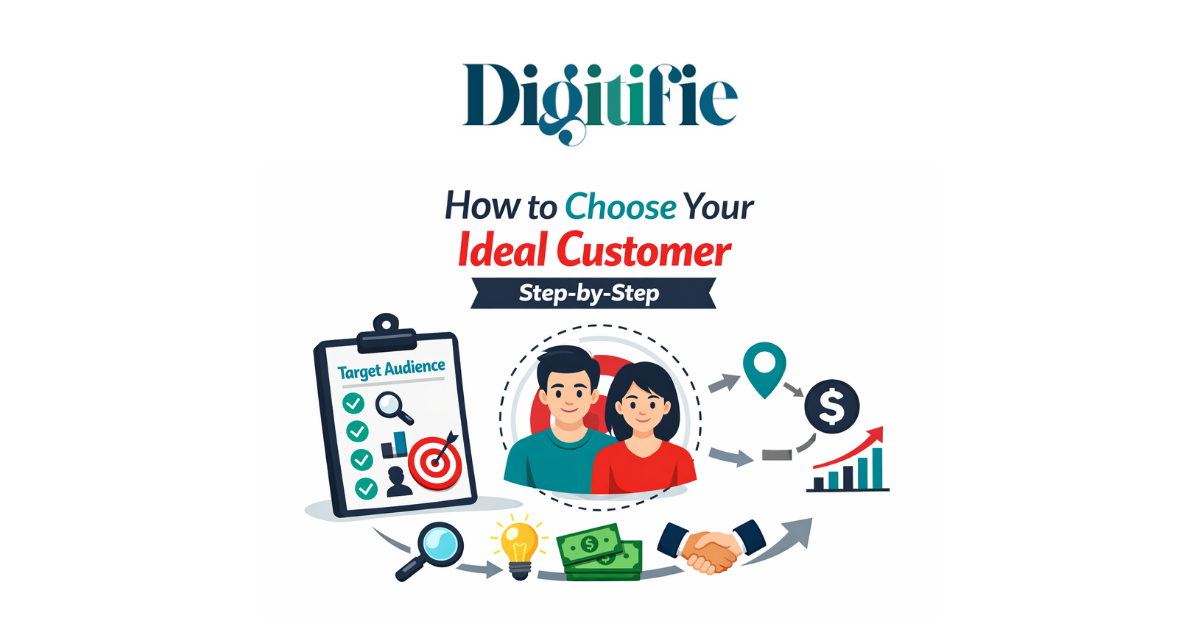
- Step 1: Understand Your Product or Service
- Step 2: Analyze Your Best Existing Customers
- Step 3: Define Customer Demographics
- Step 4: Identify Customer Pain Points
- Step 5: Understand Buying Behavior
- Step 6: Create a Buyer Persona
- Step 7: Validate and Refine Your Ideal Customer
- Common Mistakes to Avoid
- Final Thoughts
What Is an Ideal Customer?
An ideal customer is a person or business that benefits the most from your product or service while also providing long-term value to your brand. When you choose your ideal customer, your messaging becomes clearer and your offers become more relevant.
Ideal customers usually have a clear problem, an intent to solve it, and the ability to invest in the right solution.
Why Choosing Your Ideal Customer Matters
Many businesses struggle because they never clearly define who they want to serve. Choosing your ideal customer helps eliminate confusion and makes your marketing more effective.
To build a strong foundation, explore our digital marketing guides to understand how audience targeting directly impacts business growth.
Key benefits of choosing the right customer include:
- Higher-quality leads
- Lower customer acquisition cost
- Stronger brand positioning
- Improved customer loyalty
- Predictable revenue growth
Step 1: Understand Your Product or Service
Before you choose your ideal customer, you must clearly understand what your product or service offers. Identify the main problem it solves and why customers would choose it over alternatives.
This clarity ensures your marketing attracts the right audience instead of unqualified leads.
Step 2: Analyze Your Best Existing Customers
Your existing customers provide valuable insights into who your ideal customer truly is. Analyze customers who purchase repeatedly, give positive feedback, or refer others.
Patterns in their behavior often reveal your most profitable and loyal audience segment.
Step 3: Define Customer Demographics
Demographics help narrow your target audience. Consider age, location, income level, profession, and education when you choose your ideal customer.
You can explore more insights in our business growth resources to better align demographics with long-term goals.
Step 4: Identify Customer Pain Points
Customer pain points are the challenges your audience urgently wants to solve. Understanding these problems helps you position your product as the right solution.
Common pain points include lack of time, low sales, poor online visibility, confusion about marketing, and limited budgets.
Step 5: Understand Buying Behavior
Every customer makes purchasing decisions differently. Some research extensively, while others rely on quick emotional decisions.
Understanding buying behavior allows you to design better funnels, offers, and content strategies.
Step 6: Create a Buyer Persona
A buyer persona is a detailed representation of your ideal customer, including goals, challenges, motivations, and preferred platforms.
For deeper insights, refer to HubSpot’s marketing resources that explain buyer personas and audience research in detail.
Step 7: Validate and Refine Your Ideal Customer
Choosing your ideal customer is not a one-time activity. Test your assumptions through content, ads, and customer interactions.
Use real data and feedback to refine your audience targeting and improve results over time.
Common Mistakes to Avoid
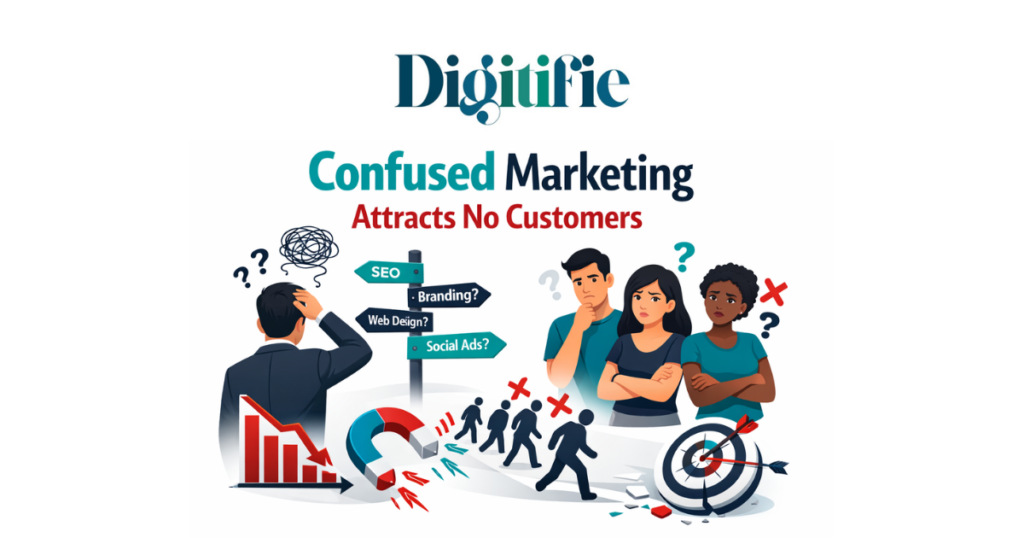
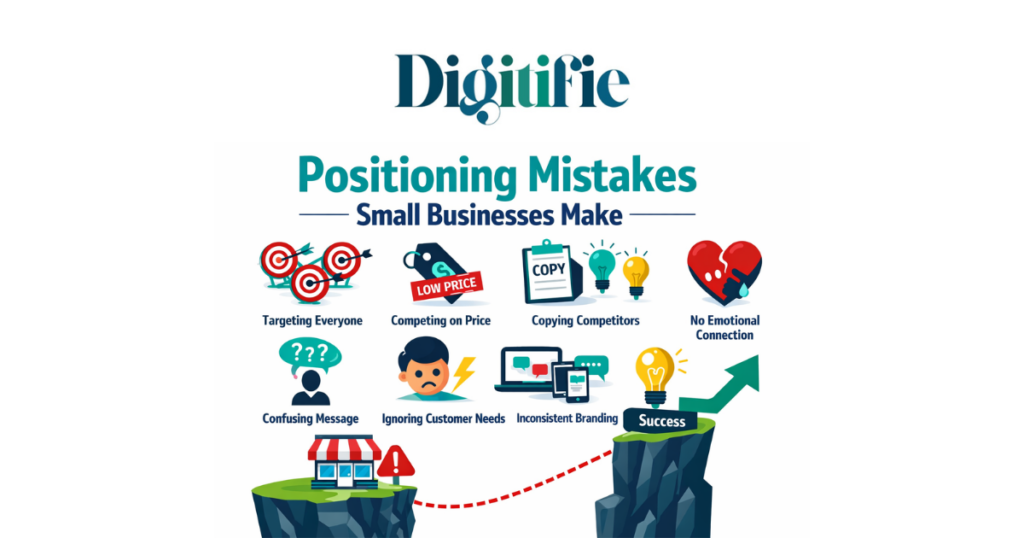
Avoid trying to target everyone, copying competitors blindly, or ignoring real customer data. These mistakes weaken your positioning and reduce marketing effectiveness.
Choosing customers who cannot afford your product also limits growth and creates unnecessary friction.
Final Thoughts
Learning how to choose your ideal customer is one of the most powerful decisions you can make for your business. It improves clarity, boosts conversions, and strengthens brand trust.
Google also provides useful learning materials through its business learning center to help businesses build customer-focused growth strategies.
Start focused, test consistently, and refine continuously. The right customers are the foundation of sustainable success.