Introduction: The Shortcut That Backfires
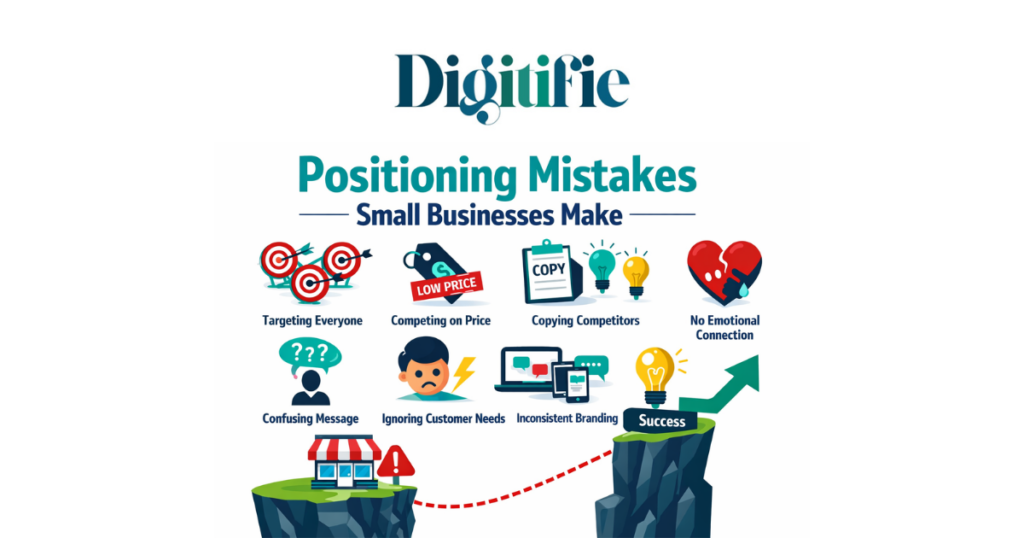
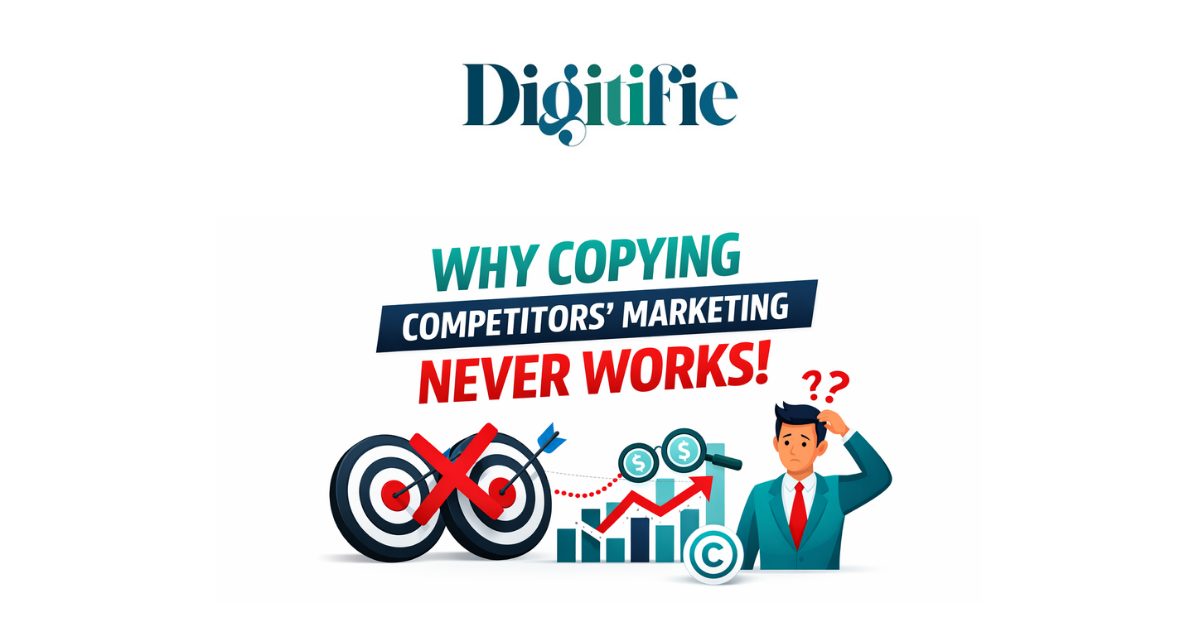
Many businesses believe growth becomes easier by copying what competitors are doing. When a campaign, reel, or advertisement performs well for another brand, it feels logical to repeat it. Unfortunately, copying competitors marketing rarely leads to sustainable success and often creates more problems than growth.
What Does Competitor-Based Marketing Mean?
Competitor-based marketing refers to building strategies by closely observing rival brands. This includes analyzing content styles, offers, pricing, and communication patterns. Problems arise when observation turns into imitation instead of insight-driven adaptation.
Common Areas Businesses Copy
- Social media post formats and captions
- Paid ad creatives and headlines
- Website layouts and funnels
- Offers and discount strategies
Reason 1: Brand Identity Gets Lost
Every successful brand has a distinct voice. When businesses rely on copying competitors marketing, they dilute their personality and become indistinguishable. Customers remember brands that feel authentic, not those that look like replicas.
Reason 2: Audiences Are Never the Same
A competitor’s audience, trust level, and market position are different from yours. Even if a tactic works for them, it may fail for you. This is one of the biggest reasons copying competitors marketing produces inconsistent results.
Reason 3: Strategy Is Hidden Behind Tactics
What you see publicly is only the final output. You never see the research, testing, failures, and refinements that came before it. Replicating surface-level execution without understanding strategy leads to weak outcomes.
Reason 4: Price Wars Replace Value
When brands look similar, pricing becomes the only differentiator. This pushes businesses into discounts and margin erosion. Over time, copying competitors marketing forces companies to compete on price instead of value.
Reason 5: Platforms Reward Originality
Search engines and social media platforms prioritize originality. Repetitive formats and recycled messaging reduce visibility. According to HubSpot marketing insights , original content consistently outperforms duplicated campaigns.
Reason 6: No Long-Term Brand Equity
Short-term attention does not equal long-term growth. Brands that rely on copying competitors marketing fail to build authority, loyalty, or emotional connection with their audience.
Why Studying Competitors Is Different From Copying
Smart brands analyze competitors to identify gaps and opportunities. They study positioning, audience reactions, and market trends without duplicating execution. Learning inspires differentiation, while imitation eliminates it.
How to Use Competitor Insights the Right Way
Instead of copying, businesses should focus on creating original messaging around audience needs. Studying competitors helps refine strategy, but execution must remain unique and aligned with brand values.
Final Thoughts
While it may feel safe, copying competitors marketing limits growth and creativity. Sustainable success comes from clarity, originality, and audience-first strategy. Brands that innovate build trust, while copycats struggle to stand out.
To continue learning about strategy and positioning, explore our other digital marketing blogs .