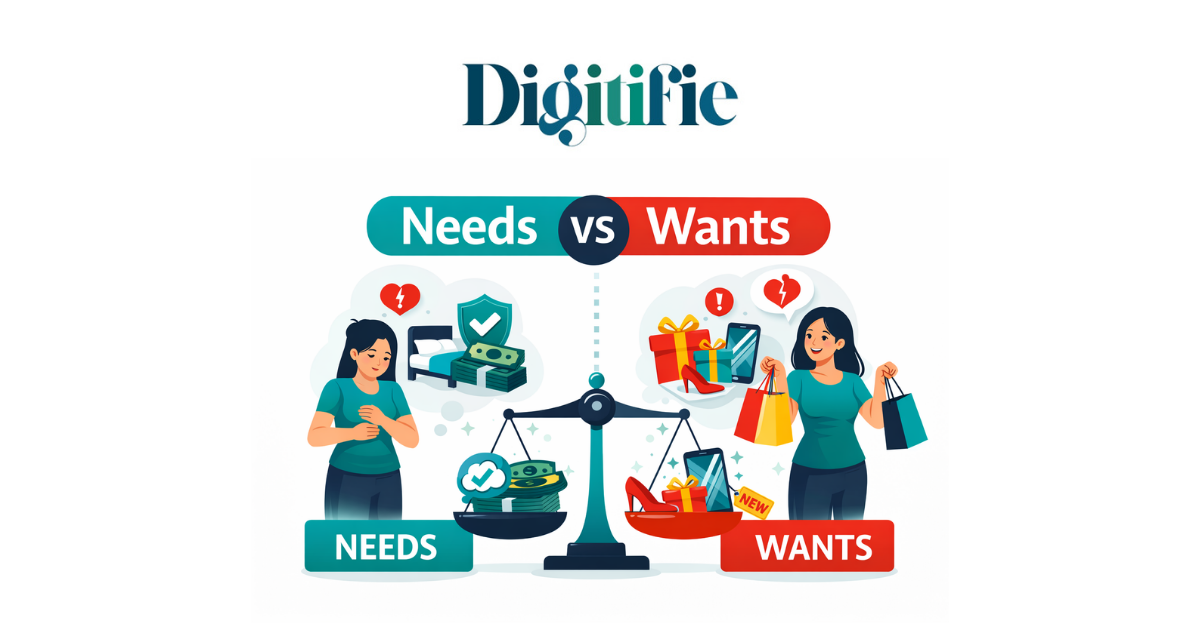
Needs vs wants is a core principle of consumer psychology that explains why people frequently purchase products they do not actually require. Needs are essential for survival and basic living, while wants are driven by emotions, comfort, lifestyle, and social influence.
Understanding the difference between needs and desires helps consumers make smarter financial decisions and helps businesses communicate value more responsibly.
Table of Contents
- Needs vs Wants Explained
- Why People Confuse Essentials and Desires
- Emotional Spending and Buying Behavior
- The Role of Marketing Psychology
- Social Pressure and Lifestyle Influence
- Instant Gratification and Dopamine
- Scarcity, FOMO, and Urgency
- How Brands Create Perceived Needs
- Long-Term Impact on Financial Health
- Final Thoughts
Needs vs Wants Explained
Needs include food, shelter, safety, healthcare, and basic tools required for everyday life. Wants, on the other hand, enhance comfort, convenience, or status but are not essential for survival.
The problem arises when optional purchases are emotionally upgraded into necessities. This mental shift leads to unnecessary spending and impulse buying.
Why People Confuse Essentials and Desires
People confuse essentials and desires because emotional thinking often overrides logical evaluation. A product feels necessary when it promises comfort, confidence, or social approval.
For example, owning a phone may be essential, but upgrading to the latest premium model is often driven by desire rather than necessity.
Emotional Spending and Buying Behavior
Most buying decisions are emotional first and rational second. People shop to reward themselves, reduce stress, or improve their mood.
Once the emotional decision is made, logic is used afterward to justify the purchase. This behavior explains why people often regret impulse purchases.
Common emotional triggers
Stress, boredom, happiness, fear of missing out, and social comparison all influence spending behavior and purchasing decisions.
The Role of Marketing Psychology
Marketing plays a major role in shaping buying behavior. Through storytelling, visuals, and aspirational messaging, brands position optional products as solutions to emotional or lifestyle problems.
According to insights shared by Psychology Today , emotional appeal significantly impacts how consumers evaluate products and make purchasing decisions.
Social Pressure and Lifestyle Influence
Social pressure strongly affects purchasing behavior. Friends, family, influencers, and online communities influence what people consider normal or necessary.
Seeing others own certain products creates comparison and a desire to fit in, making optional purchases feel socially required.
Impact of social media
Constant exposure to curated lifestyles on social media normalizes excessive consumption and reinforces emotional buying habits.
Instant Gratification and Dopamine
Buying something new releases dopamine, creating a temporary feeling of pleasure. This short-term reward encourages repeat buying.
Over time, people begin chasing the emotional high instead of evaluating whether a purchase is truly necessary.
Scarcity, FOMO, and Urgency
Scarcity and urgency are powerful psychological triggers. Limited-time offers and low-stock alerts reduce decision time and increase impulse buying.
Fear of missing out pushes consumers to act quickly without carefully assessing their real needs.
How Brands Create Perceived Needs
Brands strategically design messaging to convert wants into perceived needs. By highlighting convenience, productivity, or confidence, products feel essential.
Companies offering digital marketing services often use consumer psychology to position products as problem-solving solutions.
Long-Term Impact on Financial Health
Repeated emotional spending can slowly damage long-term financial stability. Small, frequent purchases may seem harmless individually, but over time they reduce savings, increase debt, and limit financial flexibility.
Developing awareness around buying motives helps individuals regain control over spending habits and prioritize long-term goals over short-term satisfaction.
Final Thoughts
Understanding needs vs wants helps consumers avoid unnecessary spending and helps brands market more ethically. Buying decisions are driven more by emotion than necessity.
Awareness is the key to smarter purchases and long-term satisfaction.